BADIMISETTI RAMANA

BADIMISETTI RAMANA

Badimisetti Ramana is the Executive Director of GREENTECH. He was appointed as a Director on the Bo

My photo
Shri B Ramana is the Executive Director of GREENTECH. He was appointed as a Director on the Board of the Company on May 11, 2011.An Experienced Executive Director with a demonstrated history of working in various Senior management levels as Director in the paper & forest products industry, Agri business Sector,International business.Skilled in Negotiation, Product Development, Business Intelligence, Business Relationship Management, and Strategic Planning. Strong business development professional with a Master's degree focused in Organic Chemistry (M.Sc.Org Chem) from Andhra University. Articulating a Vision to put Country before Corporation and serve larger national priorities, he has led GTPBL's strategic thrust to create multiple drivers of growth that would make a significant and growing contribution to the Indian economy. He also shaped and implemented a Strategy of Organisation to effectively manage multiple businesses whilst retaining focus on each one of them, in the process deriving unique sources of competitive advantage from GTPBL's diversity.

Wednesday, November 19, 2025

RAMANA BADIMISETTI: CII PARTNERSHIP SUMMIT 2025 VISAKHAPATNAM: Technology, Trust, and Trade Navigating the New Geoeconomic Order

 Amid global economic uncertainty, India continues to position itself as a resilient and dependable partner for governments, businesses, and individuals. India’s economy is expected to expand by 6.2% in 2025 and 6.3% in 2026, outpacing many of its global counterparts. In contrast, the IMF projects global economic growth to be much lower, at 2.8% in 2025 and 3% in 2026, highlighting India's exceptional outperformance. By 2028, the country is expected to become the world’s third-largest economy, with a nominal GDP exceeding USD 5 trillion.


India’s sustained reform efforts and strategic initiatives over the past decade have created an attractive environment for global investors seeking diversified supply chains and greater access to the Asian market. The Union Budget 2025–26 outlines Agriculture, MSMEs, and Investment as key drivers toward achieving the vision of Viksit Bharat, a developed and inclusive India.

India’s global merchandise trade reached USD 1.12 trillion in 2023–24, with exports at USD 437 billion and imports at USD 678 billion. At the same time, the country has emerged as one of the world’s largest consumer markets, with household expenditure touching USD 2.14 trillion in 2023. This dual role as a manufacturing hub and a consumer base strengthens India’s place in global value chains.

  " India has a stable and highly progressive Leadership and that is the country's biggest asset. It is going to help us sustainable economic development. This is where we are preparing for vision 2047: Viksit Bharath. By 2047, India will be world's largest economy, that is going to happen.

#CIIPartnershipSummit2025
#CIIPS2025

RAMANA BADIMISETTI CII SUMMIT2025

#Lokesh Nara 
#EY 
#NITI Aayog Official

Tuesday, August 20, 2024

RAMANA BADIMISETTI

Badimisetti Ramana is a Prominent renouned business leader and an entrepreneur known for his expertise in managing diverse industries, including: 1. Paper, Printing,Packaging. 2. FMCG 3. Agriculture 4. Foreign trade 5. Finance He has a strong vision for sustainable growth, innovation, and contributing to India's economy. His leadership style is characterized by strategic thinking, business intelligence, and a focus on creating multiple growth drivers. Badimisetti Ramana's Leadership is the ability to inspire, motivate, and guide others towards achieving a common goal or vision. His Effective leadership possess certain qualities, including: 1. Vision: A clear understanding of what they want to achieve. 2. Communication: The ability to articulate their vision and ideas. 3. Strategic thinking: The capacity to plan and make informed decisions. 4. Emotional intelligence: Self-awareness, empathy, and social skills. 5. Integrity: Strong values, ethics, and moral principles. 6. Adaptability: The ability to adjust to changing circumstances. 7. Resilience: The capacity to overcome obstacles and setbacks. 8. Empowerment: The willingness to delegate and trust others. 9. Accountability: Taking responsibility for actions and outcomes. 10. Continuous learning: Embracing new knowledge and self-improvement. Badimisetti Ramana, as a leader, likely embodies some of these qualities, which contribute to his success in managing diverse industries and driving sustainable growth. www.greentech.in.net

Saturday, July 13, 2024

Badimisetti Ramana: A Visionary Business Leader. Badimisetti Ramana, a prominent Indian business magnate, has left an indelible mark on the corporate landscape. As a daring CEO, he has steered companies to new heights, leveraging his extensive experience and strategic acumen. Background and Expertise: Education: Ramana holds an M.Sc. in Organic Chemistry from Andhra University. Management Career: With a rich history of senior management roles, Ramana has excelled in diverse sectors, including paper, forest, agriculture, and foreign trade. Key Skills: His expertise spans business negotiation, product development, business intelligence, and strategic planning. Vision for India National Interest: Ramana's vision transcends individual enterprises. He articulates a commitment to serve the nation's larger interests. Growth Drivers: He champions strategies that create multiple growth drivers, contributing significantly to India's economy. Competitive Advantage: By managing diverse businesses while maintaining focus, Ramana derives unique competitive advantages. Sustainability and Innovation: Global Sustainability: Ramana emphasizes sustainable corporate strategies that enhance shareholder value and promote responsible resource utilization. Business Rankings: His leadership has propelled Greentech, a pioneering FMCG, commodities, and spices marketer, to prominence. It is also a major exporter of fresh produce from India. Proposed Agro Unit: Ramana's vision extends to a proposed manufacturing processing unit. Sourcing directly from local farmers and adhering to international standards, this venture aims to bolster India's self-reliance. Ramana's legacy exemplifies the fusion of business acumen, national vision, and sustainable growth—a beacon for aspiring leaders and a testament to India's entrepreneurial spirit⁶.

BADIMISETTI RAMANA

**Badimisetti Ramana: A Visionary Business Leader** Badimisetti Ramana, a prominent Indian business magnate, has left an indelible mark on the corporate landscape. As a daring CEO, he has steered companies to new heights, leveraging his extensive experience and strategic acumen. ## Background and Expertise - **Education**: Ramana holds an M.Sc. in Organic Chemistry from Andhra University. - **Management Career**: With a rich history of senior management roles, Ramana has excelled in diverse sectors, including paper, forest, agriculture, and foreign trade. - **Key Skills**: His expertise spans business negotiation, product development, business intelligence, and strategic planning. ## Vision for India - **National Interest**: Ramana's vision transcends individual enterprises. He articulates a commitment to serve the nation's larger interests. - **Growth Drivers**: He champions strategies that create multiple growth drivers, contributing significantly to India's economy. - **Competitive Advantage**: By managing diverse businesses while maintaining focus, Ramana derives unique competitive advantages. ## Sustainability and Innovation - **Global Sustainability**: Ramana emphasizes sustainable corporate strategies that enhance shareholder value and promote responsible resource utilization. - **Business Rankings**: His leadership has propelled Greentech, a pioneering FMCG, commodities, and spices marketer, to prominence. It is also a major exporter of fresh produce from India. - **Proposed Agro Unit**: Ramana's vision extends to a proposed manufacturing processing unit. Sourcing directly from local farmers and adhering to international standards, this venture aims to bolster India's self-reliance. Ramana's legacy exemplifies the fusion of business acumen, national vision, and sustainable growth—a beacon for aspiring leaders and a testament to India's entrepreneurial spirit⁶. Source: Conversation with Copilot, 13/07/2024 (1) Greentech Paper Boards Company Profile Funding & Investors. https://yourstory.com/companies/greentech-paper-boards.

Thursday, July 11, 2024

BEAUTY AND COSMETICS INDUSTRY LATEST TRENDS

That's it for our list of important beauty industry trends for 2024-2026. Technology and societal issues have impacted the beauty industry in a big way over the last few years. In many ways, the most powerful voices have come from consumers who are calling for change. Whether that’s looking for new products or demanding more natural ingredients, brands are listening. And, they’re finding new ways to engage customers on social media and via AI/AR applications. We can only expect to see more innovation and change in this space heading into the coming months.

BEAUTY AND COSMETICS INDUSTRY LATEST TRENDS

that provides uplifting visual art in children’s hospitals. Even eCommerce giant Manscaped, which was originally just a hair-trimmer brand, now sells a range of skincare products for men. undefinedSearch volume for “Manscaped” is up 253% in the past 5 years. For instance, the brand’s premium packages include skincare and haircare products like body wash, body spray, lip balm, and deodorant. undefinedManscaped offers several skincare options formulated with vegan ingredients.

BEAUTY AND COSMETICS INDUSTRY LATEST TRENDS

undefinedSearch volume for “Truly Beauty” has jumped more than 433% in the past 5 years. Between 2020 and 2021, the brand gained 1 million followers on TikTok. As of early 2024, they’ve grown their following to 2.3 million. undefinedTikTok videos from Truly Beauty get 10 million+ views. According to the company’s social media manager, utilizing user-generated content was a big part of their growth on social media. They’ve also tapped into trends like ASMR and have taken a direct approach to sensitive skincare topics. On Instagram, influencers and user-generated content has also proven its value in driving sales. There are more than 1,200 beauty influencers on the platform. In one example, a beauty influencer was gifted skincare products from Soft Services. She loved the products, created a non-ad post about them, and Soft Services saw their product sales soar to 3x over estimates. undefinedThe beauty influencer’s post had more than 54,000 likes.

BEAUTY AND COSMETICS INDUSTRY LATEST TRENDS

In October 2022, the company released its Barrier Redux Emulsion featuring Activated Silk 33B as a main ingredient. It’s made from isolating peptides in renewably-sourced silk protein and serves as a replacement for petroleum-based ingredients. The activated silk helps the skin to protect itself and hold onto hydration while also being able to breathe. undefinedActivated silk is a sustainable way to replace petroleum-based ingredients like ceramides, dimethicone and liquid plastic acrylates. The company has raised $190 million in funding, including a $120-million round in June 2022. The biotech trend is even catching on with large personal care corporations like Unilever. The company announced a partnership with a San Diego-based biotech firm called Geno in mid-2022. Geno uses a fermentation process to create surfactants used in beauty products. Like other biotech beauty products, their ingredients are seen as an alternative to non-sustainable ingredients like palm oil and fossil fuels. In early 2023, L’Oreal announced they’d be joining the partnership as well. undefinedGeno’s biotech ingredients have been used in personal care and fragrance products.

BEAUTY AND COSMETICS INDUSTRY LATEST TRENDS

Schwan Cosmetics have recently partnered with Revieve to provide true-to-life try-on opportunities and personalized recommendations. undefinedIn late 2022, JCPenney began offering an AI skincare advisor and AR makeup try-on experiences for customers. Other beauty brands are combining tech solutions with the latest skincare science to offer personalized products. For example, Pure Culture Beauty offers an at-home skin test that measures skin type, skin condition, and the health of the skin barrier. Customers also answer a series of questions about their concerns, lifestyle, and environment. The test takes 20 minutes to complete, and results can be uploaded directly to the Pure Culture Beauty website. After that, customers are given the option to purchase custom skincare formulas based on the results of their analysis. For an even more personalized skincare test, consumers can order the microbiome test from Dr. Elsa Jungman. Consumers take a swab of their facial skin and send it back to the company. The sample is analyzed and tested for the top 10 bacteria and fungi that are commonly found living on the skin. Personalized recommendations are provided after the results become available. undefinedThe microbiome test looks for good and bad bacteria and fungi on the skin.

BEAUTY AND COSMETICS INDUSTRY LATEST TRENDS

organic products. undefinedSearch volume for “sustainable skincare” has increased 100% in the past 5 years. Estimates show almost one-third of beauty products are now labeled “clean” and that number is predicted to increase 12% by 2027. Walmart recently launched a clean beauty shop that offers 900 products that are free from ingredients on the store’s “Made Without List” like formaldehyde and PFAS. undefinedWalmart hopes to make it easier for customers to find beauty products that align with their values.

Thursday, January 25, 2024

BADIMISETTI RAMANA

We at GREENTECH empanelled with various Govt PSUas vendor all over india and imports feom overseas( Local for Vocal, Made in India) Congratulations to Entire Greentch team.

Sunday, August 6, 2023

Beauty Industry Scenario India

he overall Beauty Business in India is growing phenomenally with the cosmetics market growing at 15-20% annually. The retail beauty and cosmetics market in India currently estimated at USD 950 million is pegged at USD 2.68 billion by the year 2020.In India, the beauty care market consists of salons, cosmetic treatment centres and cosmetic products and is likely to become the main contributor to the growth of Indian wellness industry. Women contribute to over 85% of the Salon industry revenue, while men’s hair is the next wave set to hit the Indian Salon Industry. The rising beauty concerns among both men and women are propelling the Indian cosmetics industry, which has witnessed a strong growth in the last few years. Over the last five years the growth figures are: •Cosmetic Products - 60% • Salons - 35%; • Cosmetic Treatments - 5% A research report, “Indian Cosmetic Sector Forecast to 2015”, sees that the Indian cosmetics industry holds promising growth prospects for both existing and new players. The forecast for hair and beauty industry is pegged at a per capita annual spend of USD1.2 which is expected to grow to USD 6.2 by 2015. The country’s cosmetic sector has, in fact, emerged as one of the markets holding immense growth potential. New product launches catering to consumers’ growing requirements will fuel growth in the industry, for which the future outlook seems exceptionally bright. According to a latest research report, the Indian cosmetics market registered impressive sales, and with rising purchasing power and growing fashion consciousness, the industry is estimated to expand at a an annual growth rate of around 17% during 2013-2015.A consumer behaviour analysis, has observed that consumers are increasingly shifting towards ‘natural’ and ‘herbal’ cosmetic products as they are associated with bio-active ingredients and safe for human skin. In addition to this, it is noticed that women are spending more on cosmetics as they are actively earning and spending money on grooming themselves. Besides, rural India is also showing its willingness to look attractive. A study on the prospects of various segments, including hair care, skin care, oral care, fragrance and colour cosmetics, revealed that colour cosmetics market is growing at a rapid rate in comparison to other segments. As for the International players already present in India , there has been a slew of beauty products makers have lined up to cash in on a business boom in India. Although a slowing economy and slowdown in consumer spending on non-essential products and services clearly haven't stopped Indian women or men from putting up their best face. Most of the international brands are trying to cash in on the huge appetite for foreign cosmetic brands in India amid growing spending power among the country's large section of women, thanks to the increasing number of ladies entering the corporate workforce every year. On an average working women in tend to spend 35% or more of their income on themselves. Ramana Badimisetti

Wednesday, July 12, 2023

Beauty Industry

 Humans are visual and social creatures. It makes sense thus that, historically, we have been collectively preoccupied with beauty. Someone’s appearance is the first thing we notice about them upon meeting them. The nature of beauty itself has been the focus of Aesthetics, a major field of study in Western Philosophy, and has occupied the brilliant minds of numerous philosophers, from Plato to the aforementioned Kant.

People have been using makeup and cosmetics since ancient times: the Egyptians’ use of dark eyeliner is present in everyone’s mind through their paintings and deities, while most know that Victorian women often fainted not because of their demureness, but because of the wide-spread use of lead-based creams to “improve complexion” together with constricting girdles.

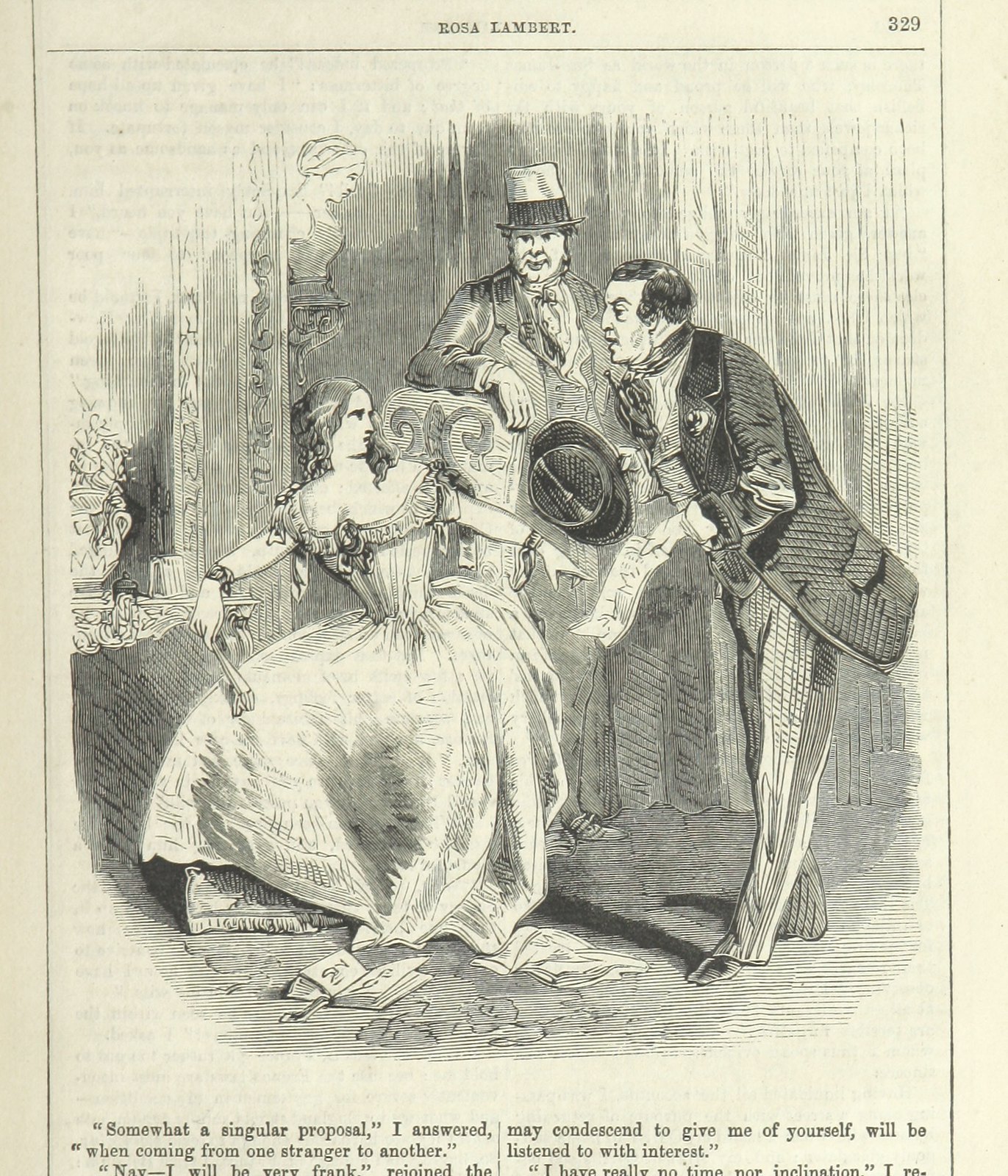
Image taken from page 339 of 'Rosa Lambert'

For the most part, these rituals were conducted by women, and were relatively secret: one had to uphold the idea that beauty was natural and effortless, not an artifice.

So how has the beauty industry, as old as the idea of beauty itself, become not only mainstream but also lauded as one of the best sectors in which to launch a company? This is particularly notable in a time in which traditional industries are struggling, and in the extremely challenging times for the retail industry.

In this article, we attempt to answer this question. We start by defining the industry and its main players, both traditional and incumbent, we briefly touch on industry size and trends as well as the anti-cyclical qualities of the beauty sector. Subsequently, we will use companies that exemplify success in this sector, Glossier and Deciem’s The Ordinary, to understand how they approached (and cracked) the problem of enticing consumers, building brand loyalty and creating unique experiences, drawing a few lessons relevant for all direct-to-consumer (DTC) companies.

Beauty Industry Analysis - Market Size and Major Players

The beauty industry is, in fact, quite broad: it includes both services (such as hairdressers, barbers, etc.) as well as products. In the United States alone, the beauty services sector employs over 670,000 people, and its job growth outlook is “faster than average” according to BLS data at a rate of 13% (2016-2026). According to a study, it was worth $532.43 billion in 2017 and is expected to reach a market value of $805.61 billion by 2023.

The table below highlights the different segments and their relative weight by revenue.

US Beauty Industry Segments by Revenue

US beauty industry segments by revenue.

It is still an extremely concentrated industry, with the 20th largest manufacturer in the world still producing only 5.5% of the revenue of the largest one: French giant L’Oréal, which commands an eye-watering 20.2% market share in Western Europe.

Revenue of the Leading 20 Beauty Manufacturers Worldwide in 2018 (US $ Billions)

Revenue of the leading 20 beautify manufacturers worldwide in 2018 (US $ billions).

Traditionally, the industry is divided into a premium and a mass-market segment. The premium segment represents 28% of total sales worldwide, while mass-market accounts for 72%, according to a 2017 study.

Traditional distribution channels focus on bricks and mortar, particularly sales through supermarkets, specialty stores, pharmacies, and salons. Direct sales and eCommerce, however, have become increasingly prominent, with online sales for beauty companies growing at a much faster rate than general internet sales: the category grew at 23.6% in 2017 to reach more than $5 billion in web sales, according to Internet Retailer data. It outpaced the US eCommerce market’s 15.6% growth rate in 2017 and the overall Internet Retailer Top 1000’s 18.5% growth rate. The company was Glossier, which we will cover in more detail later in this article.

For the purposes of this analysis, we will focus on the product side rather than services, and on younger companies (which, not entirely coincidentally, fall in between the premium and mass-market segments) that are utilizing product and other innovation as an engine of growth.

The beauty industry is notably anti-cyclical, so much so that a famous economic phenomenon, the lipstick effect, is derived from it. This phenomenon, which is only partly confirmed, alleges that consumers will still purchase luxury items in an economic downturn, privileging however smaller ticket items, such as lipstick. Even if this theory has been criticized by many (notably, The Economist, when it comes to lipstick specifically, many studies have found a statistically significant correlation when it comes to the broader beauty category.

Growth in the beauty industry, however, has boomed in recent years, in a trend that many link to a broader generational trend of attention to physical wellbeing (which we covered in our recent article about the growing plant-based market and Beyond Meat). Millennials are often quoted as being the main drivers behind the meteoric growth of the beauty segment. There have been many articles written on this trend, citing everything from the aging of the millennial demographic to a focus on “self-care” as a coping method against a difficult political and economic climate.

Democratization of Beauty - Bringing High and Low Under One Roof

The harbinger of this trend and the beauty industry growth was the arrival in the USA of specialized French beauty retailer Sephora in 1999, as well as the rise of its US competitor Ulta. These companies found a gap in the market: they created new shopping experiences for consumers, who had an additional choice beyond going to the mall or purchasing beauty products at a pharmacy or supermarket. They importantly stocked products at different price points, from elite brands to store own-labels. In the UK, there were similar concepts being launched at the same time: the local equivalent of Sephora, Space.NK, was founded in 1993 and started expanding their retail footprint in the early 2000s, growing to 69 stores in the UK and Ireland and 31 in the US.

The Rise of the Indie Brand - Focus on Ingredients and Quality

The second significant trend was the rise of new and unknown brands focusing on ingredients and quality, originally coming from Korea, but now also from Japan or other countries. Korean skincare exploded in the West when Sephora started carrying a Korean brand, Dr. Jart+ in 2011. The Korean skincare industry is heavily promoted by the South Korean government, which has made Dr. Jart+, together with K-Pop, one of its flagship cultural exports (and with amazing success). What is particularly noteworthy about K-beauty, for the purposes of this article, is the focus on dermatological ingredients, the unbundling of products into different (and thus customizable) steps, and the proliferation of smaller, indie brands.

Rise of Social Media - Instagram Influencers Paint a Pretty Picture

Finally, another significant change that propelled the beauty industry forward has been the rise of social media, in particular of image-based social network Instagram. Obviously, a visual medium is optimal for a beauty brand: it fully allows it to explore the visual potential of its products. Not only, but Instagram has enabled brands to cultivate a stronger image, interact with consumers in a more direct way, as well as creating an entirely new marketing category, that of influencers, which, in turn, have at times turned into fully-fledged entrepreneurs. Kylie Jenner, probably one of the most famous women in the world right now, was just this year crowned the world’s youngest self-made billionaire, thanks to her immensely successful makeup line.

We have thus identified some of the key success factors for established and upcoming beauty brands: a focus on consumer and experience, price-points that are potentially below those of premium brand but a focus on dermatological results and credentials, and finally, a strong digital presence and direct-to-consumer marketing. This leads us into the next section of our piece, a small case study.

Glossier and The Ordinary

Many smaller and newer brands have emerged in recent years, eroding the market dominance of the large beauty companies. Glossier and Deciem’s The Ordinary are, however, probably the most interesting of the incumbents, because of their deep understanding and intelligent use of the success factors outlined above, albeit in extremely different ways.

Glossier, on the one hand, is obsessively focused on customer experience and, as a digital-native company, has strongly utilized social media as a growth engine. The Ordinary, on the other hand, has built a huge brand and received an investment from Estée Lauder by being obsessively focused on product innovation, scientific rigor in product development, and a very low price point. It also has a strong social media presence, however, whether that has always been a success factor is highly debatable, as explained below. We refer to The Ordinary, rather than the parent company Deciem, as it accounts for 70% of its sales.

Glossier

Glossier is arguably the most successful of the new crop of beauty companies, so much so that it became a unicorn after its latest round of funding in March 2019. How has the company achieved this feat? Glossier started originally as Into the Gloss, a beauty blog that profiled celebrities and customers in intimate pieces about skincare and makeup habits. The first four products were launched in 2014, reaching $100 million in revenue in 2018.

Glossier stock photo

We have identified the following as keys to success for this innovative Direct-to-consumer (DTC) brand:

  1. Digital presence and marketing: Emily Weiss, the founder, is considered by many to be an extraordinary entrepreneur, and has translated the ethos of her blog into a successful (and growing) product line. What Glossier is best known for is its use of social media to build a very strong and instantly recognizable brand. Glossier pink, the color at the base of the company’s branding and color scheme, has become universally recognized by beauty customers, so much so that the hashtag #glossierpink has been used over 22,000 times on Instagram. In fact, Emily Weiss famously treats all of her customers as influencers and content creators for the brand. She was able to leverage the engaged community that followed the blog and turn that into a committed and loyal customer base.
  2. Product innovation: Glossier approaches product innovation in a very similar vein: they regularly consult with customers on the way they use the company’s products, on their wishes, and even have a dedicated slack channel with the 100 best customers, which is used effectively as a highly engaged focus group.
  3. Channels and distribution: Again, the approach that Glossier uses is extremely consistent, and based entirely on customer experience. The following quote from Emily Weiss illustrates this best: when asked in an online Q&A whether she was planning on partnering with retailers for the distribution of Glossier, she replied “Great question! One of the things we strongly believe, as a customer-centric company, is that we can’t form the meaningful relationships that we value with our customers if we sell through other distribution channels. Being able to communicate and engage with our customers across various channels, and ensuring that we are delivering the true Glossier customer experience, is challenging if we go through other channels. I love discovering beauty products at all sorts of retail environments–for us, it’s not about what retailers are doing wrong, but more so ensuring we are able to deliver the Glossier customer experience that we’re proud of.”
  4. Pricing strategy: Finally, even in its pricing, Glossier is consistent in its inclusivity: the products are positioned between mass-market and premium, thus being an affordable luxury for its young customer base.

The Ordinary

The Ordinary, much like Glossier, was born from the vision of an extraordinary founder, Brandon Truaxe. He was (he has unfortunately passed in tragic circumstances) a believer in the necessity for transparency and innovation in the beauty industry, and sought to do so by launching a skin-care line (amongst other products in the range of the parent company, Deciem) that is projected to reach $300 million in sales in 2019. He did so through an extremely radical product idea: The Ordinary sells products based on single active ingredients at extremely low prices, which can then be mixed and matched by consumers for their specific needs. This creates an affordable and extremely personalized experience.

The Ordinary stock photo.

The keys to success we’ve identified for The Ordinary are the following:

  1. Digital presence and marketing: The Ordinary strongly utilized social media to build a brand connection and engage with their customers, as well as very clearly and strongly building a brand. They were initially renowned for responding to each individual message and comment. The brand was built on scientific rigor and a minimalistic aesthetic. Deciem and The Ordinary are however also a cautionary tale for the dangers of social media: Brandon Truaxe’s personal issues and conflicts with investors were prominently featured on the company’s Instagram for a long period, which created intense (and at times morbid) interest in the company, and not necessarily in a positive way.
  2. Product innovation: This is undoubtedly the main reason for The Ordinary’s extraordinary success (a success such that many products were on endless waiting lists and were effectively being sold on the black market). The brand tagline goes “Clinical formulations with integrity,” and summarizes the approach. The focus of the company is selling effective ingredients and formulations, that can then be integrated by the consumer. The focus is on product, and product only, with very limited spending on packaging and marketing. The belief here was that if the product is valid, that in itself is sufficient marketing. The following quote from the founder describes what he thought this to mean: “Brand loyalty in the beauty industry is near zero because the products don’t work or they over-promise,” says Truaxe. “What we’re doing differently is simply not promising what is not there.” This extreme focus on effectiveness is also the result of extreme control of each phase of product development: everything is done in-house.
  3. Channels and distribution: Deciem never spent on advertising outside of its social media pages. The product is sold online, through flagship stores, and through a retailer network.
  4. Pricing strategy: This is where The Ordinary absolutely stands out. The brand was built on selling products at extremely low prices, with most products sold for less than $10, a sharp contrast to more complex formulations with similar active ingredients and significantly higher mark-ups. Most products, in fact simply carry the name of the active ingredient and the strength, such as Niacinamide or Hyaluronic Acid. Truaxe broke down the cost of a product that retails for $5.80 as follows: “Our Vitamin C Powder is the best example. There are about 20 cents of vitamin C in it, and about 5 to 6 cents of other ingredients, and then the tube is about 20 cents and the box is about 10 cents. I mean, the product costs less than a dollar.”

Conclusion

The innovators in the beauty industry, and Glossier and The Ordinary in particular, can give very precise guidelines into what makes a consumer brand a success: knowing the strength of the company, whether it is consumer experience or product, building a simple and clear brand based on the company’s ethos, and extreme control over all aspects that define the focus in order to ensure constant quality. These are invaluable lessons for any entrepreneur.